
Custom PVC Tubing and Connectors Built Around Your Fluid Path
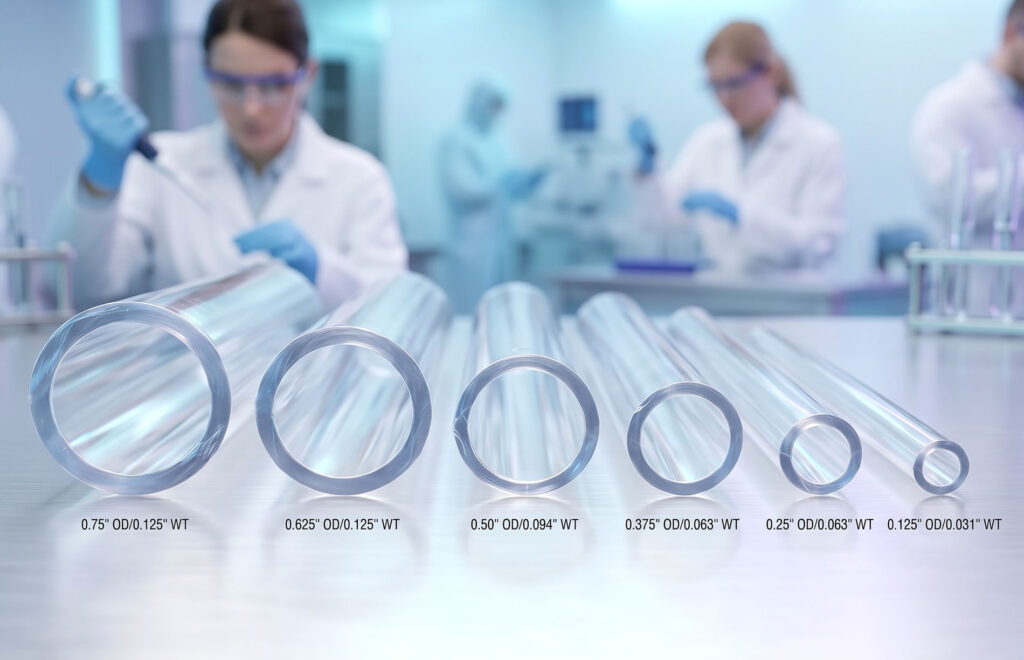
Anyone who’s tried to force an off-the-shelf tube into a system it wasn’t designed for knows how that story ends. Even small mismatches in inner diameter, wall thickness, shore hardness, or connection tolerance can introduce turbulence, pressure drop, or the kind of micro-leaks that don’t show up until you’re already mid-run. In medical, biopharmaceutical, and technical fluid systems, those small variances aren’t cosmetic, they’re the difference between a fluid path that behaves predictably and one that doesn’t.
The Next Frontier in Fluid Management Why Nylon Is Poised to Shape the Future of Fluid Connectors
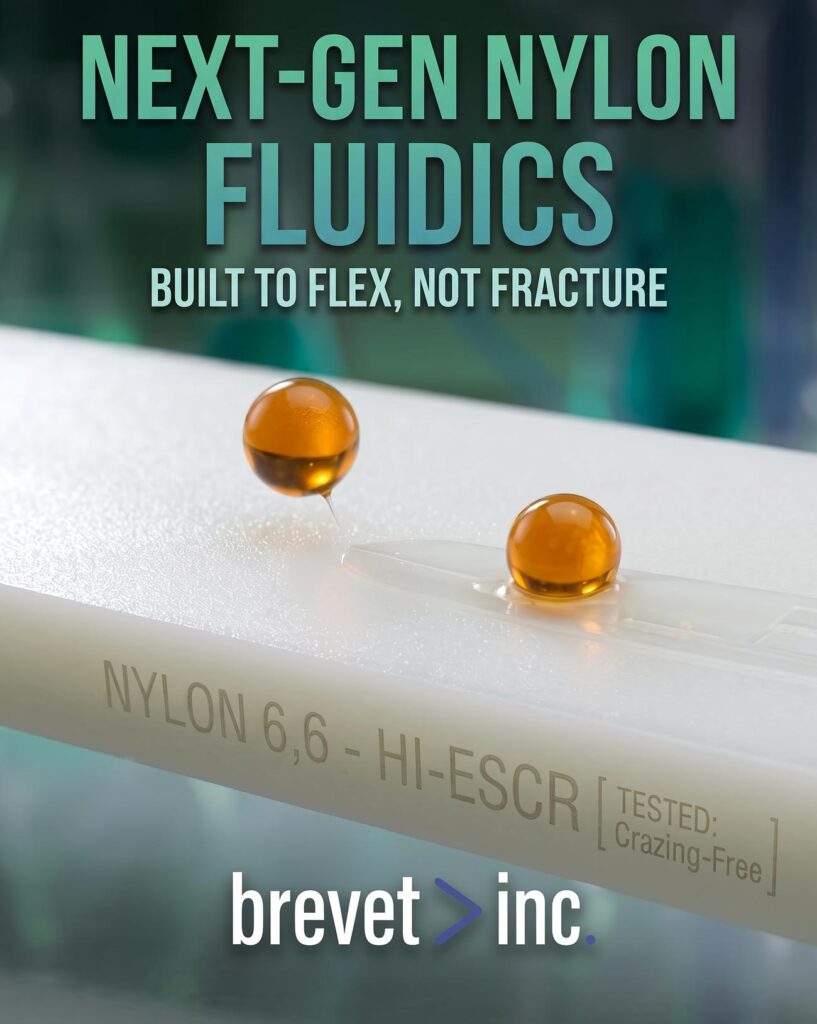
Nylon is emerging as a leading material for fluid connectors. See how it compares to polycarbonate and polypropylene on toughness, chemical resistance, and cost.
PVC Chemical Compatibility Spectrum – Why PVC Still Holds Up in Healthcare Fluid Paths
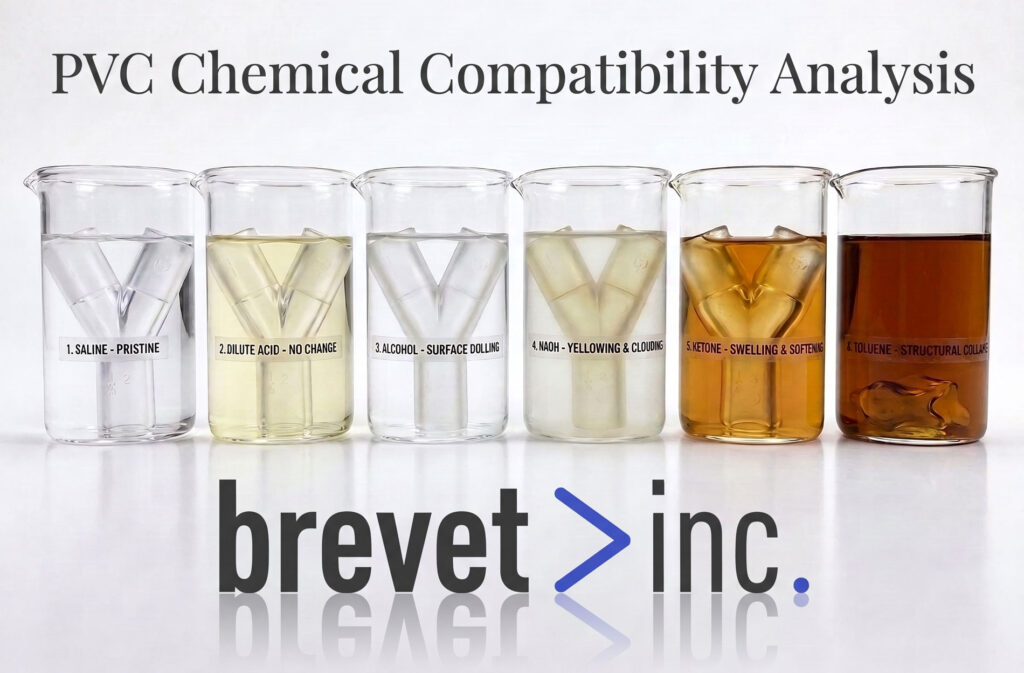
See how medical-grade PVC holds up against saline, acids, alcohols, bases, and solvents, plus where custom connectors and tubing need extra engineering attention.
Polycarbonate Chemical Compatibility Explained by Brevet

See how polycarbonate holds up against acids, solvents, and alcohols, and what factors like contact time and molar concentration mean for your fluid path components.
Why Biopharma Is Moving Away from Steel and Toward Single-Use Connectors

See how single-use plastic connectors are replacing steel infrastructure in biopharma, cutting cleaning bottlenecks and boosting facility agility.
Why Brevet’s Polycarbonate Parts Hold Up to Micron-Level Scrutiny

See how Brevet uses CMM technology and AQL statistical sampling to verify polycarbonate parts down to the micron, replacing outdated pin gauge methods.
The Essential Role of Perfusionists and the Custom Adapters That Support Them

By delivering custom-engineered perfusion adapters that fit seamlessly into critical fluid pathways, Brevet helps ensure that perfusionists can focus on what matters most, keeping their patients safe, stable, and supported throughout surgery.
Polycarbonate vs. Metal in High-Flow Fluid Paths
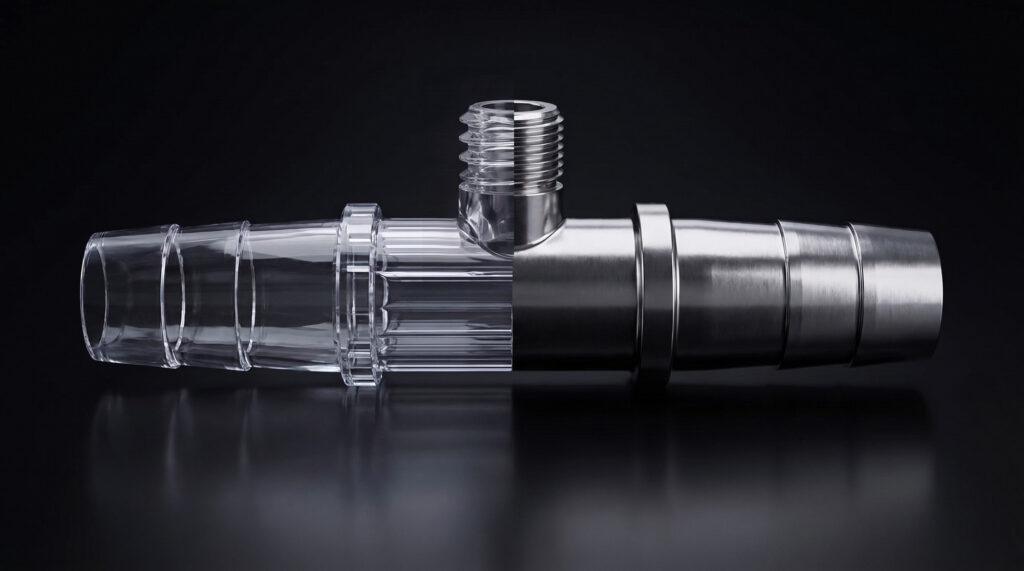
Discover why optically clear polycarbonate outperforms metal in high-flow fluid paths—eliminating corrosion, excess weight, and blind flow paths.
The Anatomy of High-Precision Tooling
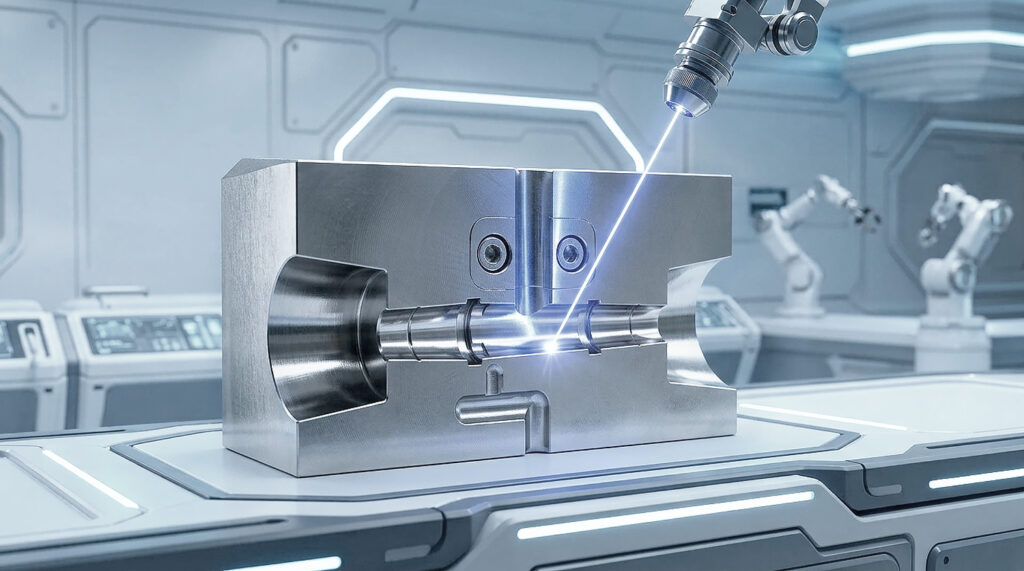
From solid steel to micron accuracy: See how Brevet’s heavy-gauge tooling guarantees zero-defect fluid component manufacturing.
The Evolution of Automated Fluid Handling in 2026

Explore how automated fluid handling has evolved from manual pipetting to intelligent, high-precision fluid path architectures engineered by Brevet.