
Why T-Junction Geometry Is Quietly Hurting Your Flow Rate
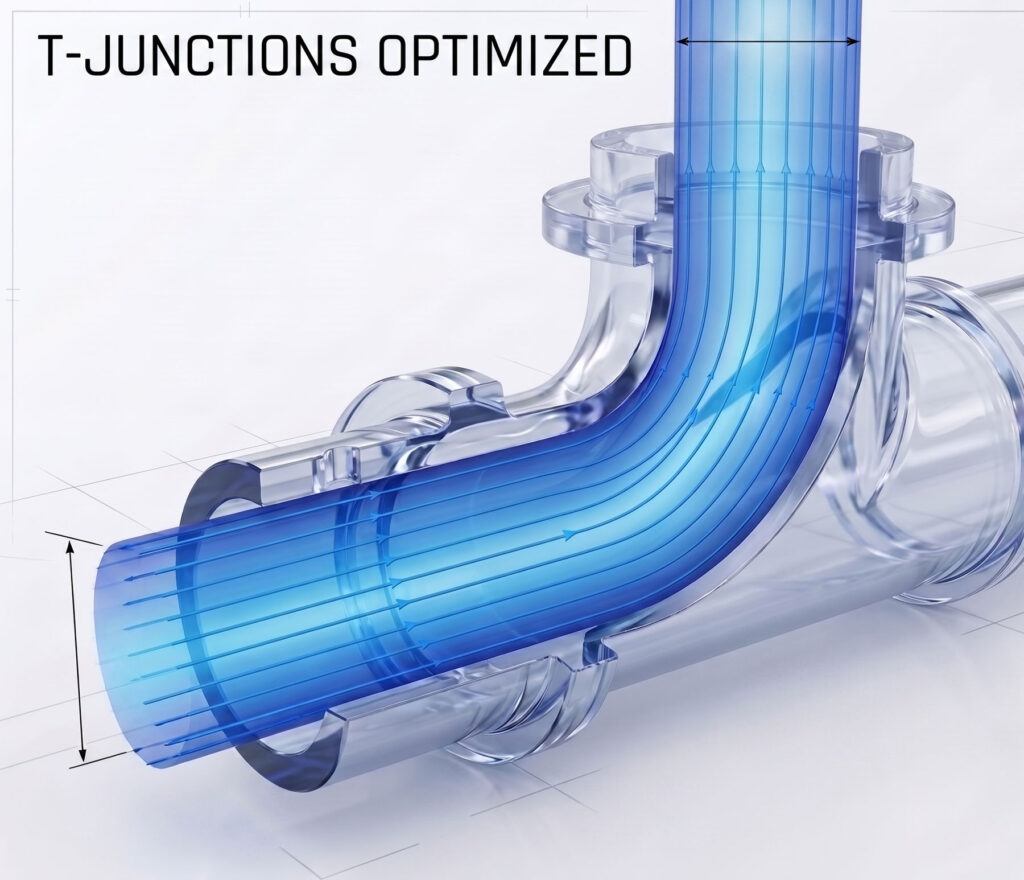
Think about what a T-junction is really asking fluid to do. It’s traveling at speed in one direction, and then it’s expected to make a sudden, sharp turn. Fluid doesn’t love that. Physics doesn’t allow a perfect right-angle redirect, so instead of making a clean turn, the main flow stream shoots past the corner and separates from the wall.
Why E-Beam Is the Ultimate Superhero of MedTech Sterilization

Discover why E-Beam sterilization is becoming the go-to choice for MedTech manufacturers, offering faster turnaround, gentler material handling, and zero radioactive waste.
Why Hospital Disinfectants Can Crack Your Medical Fluid Components
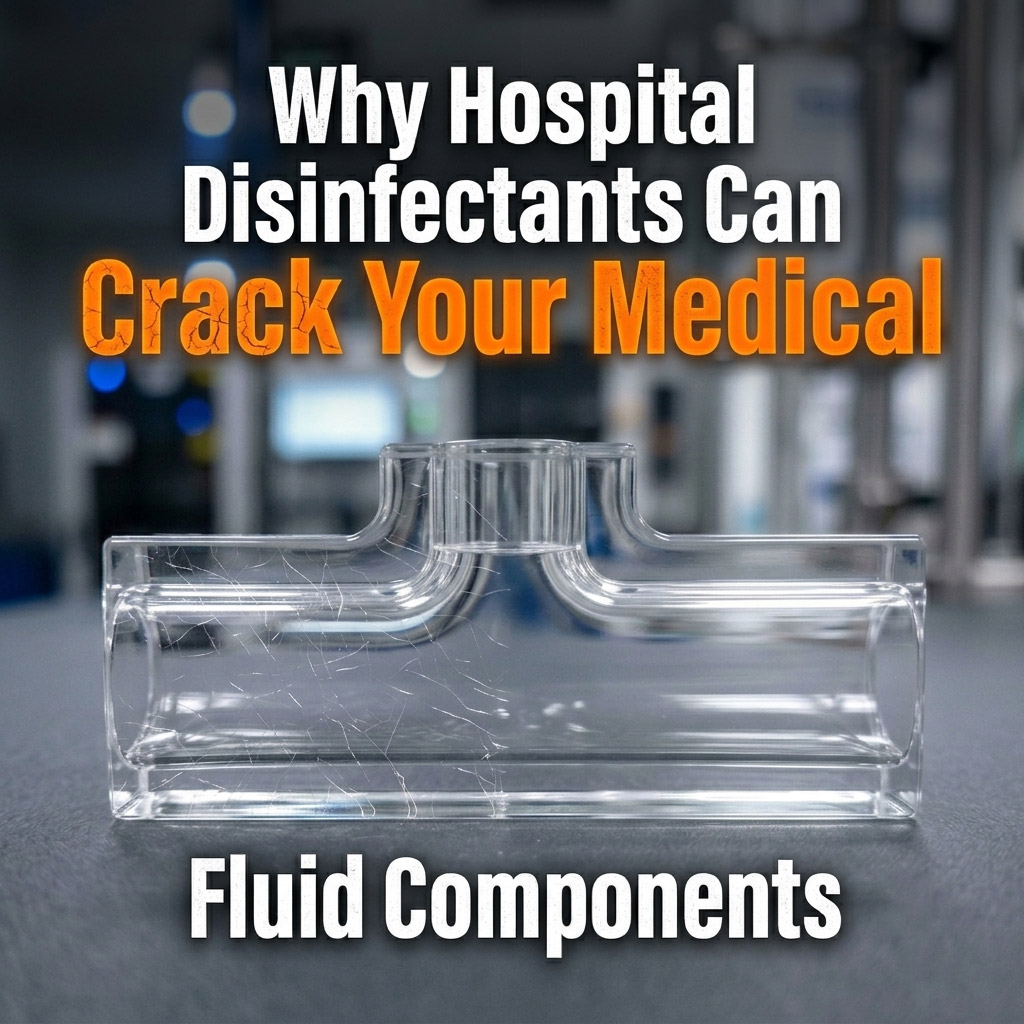
Discover how routine hospital disinfectants induce Environmental Stress Cracking (ESC) in medical plastics, and how Brevet’s stress-relieved molding prevents sudden fluid-path failures.
Why Luer Lock Geometry Is a Patient Safety Issue, Not Just a Spec Sheet Detail
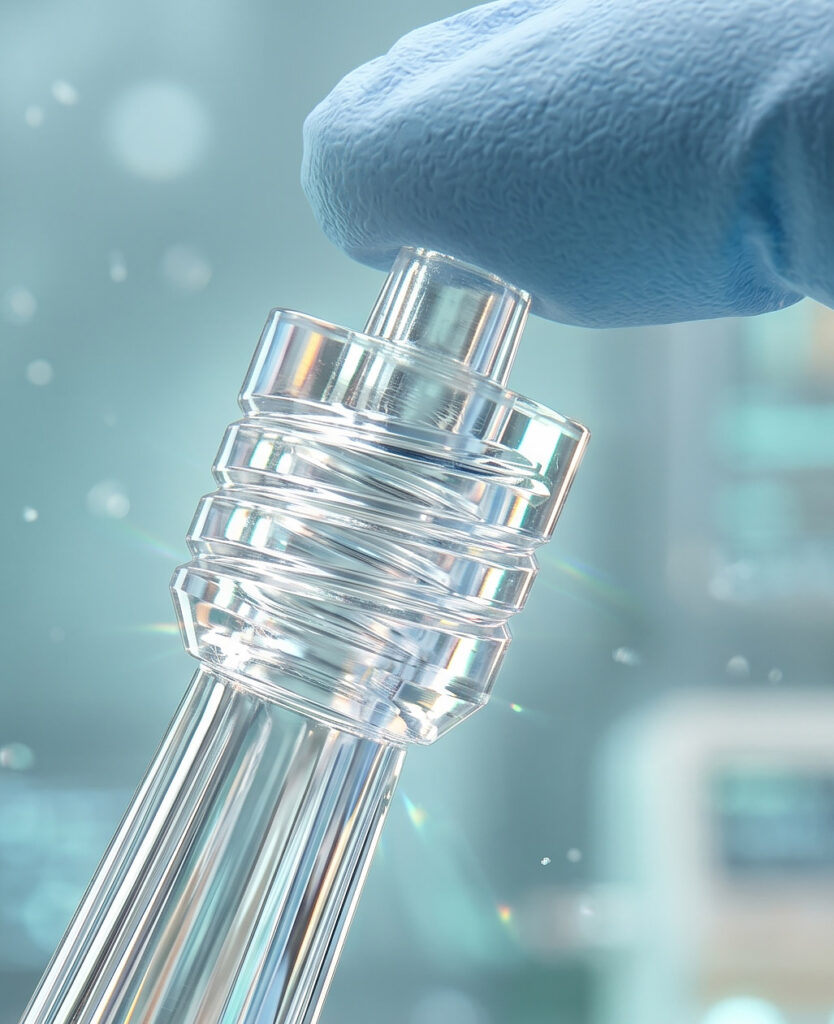
Luer lock connectors have been around for a long time. They’re simple, they’re reliable, and for decades they’ve been the go-to connection standard across clinical settings worldwide. Twist to connect, twist to disconnect. It just works.
Why polycarbonate is quietly replacing stainless steel in high-performance fluid loops

Discover why engineered polycarbonate is replacing stainless steel in modern electronic liquid cooling, offering lighter weight and superior thermal cleanliness.
The Top 3 Trends Shaping MedTech in H2 2026
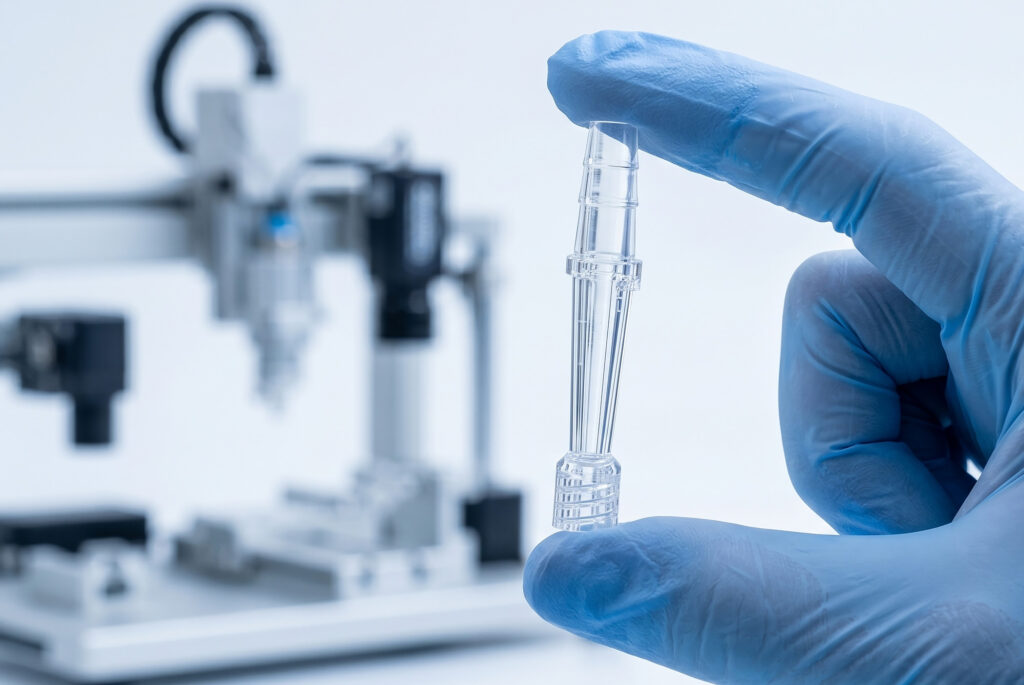
Explore the top 3 MedTech trends for H2 2026. Discover how miniaturization, sustainable medical plastics, and smart connectors are transforming OEM scaling.
Thermal Management Infrastructure: Engineering Zero-Tolerance Fluid Paths for High-Density Liquid Cooling
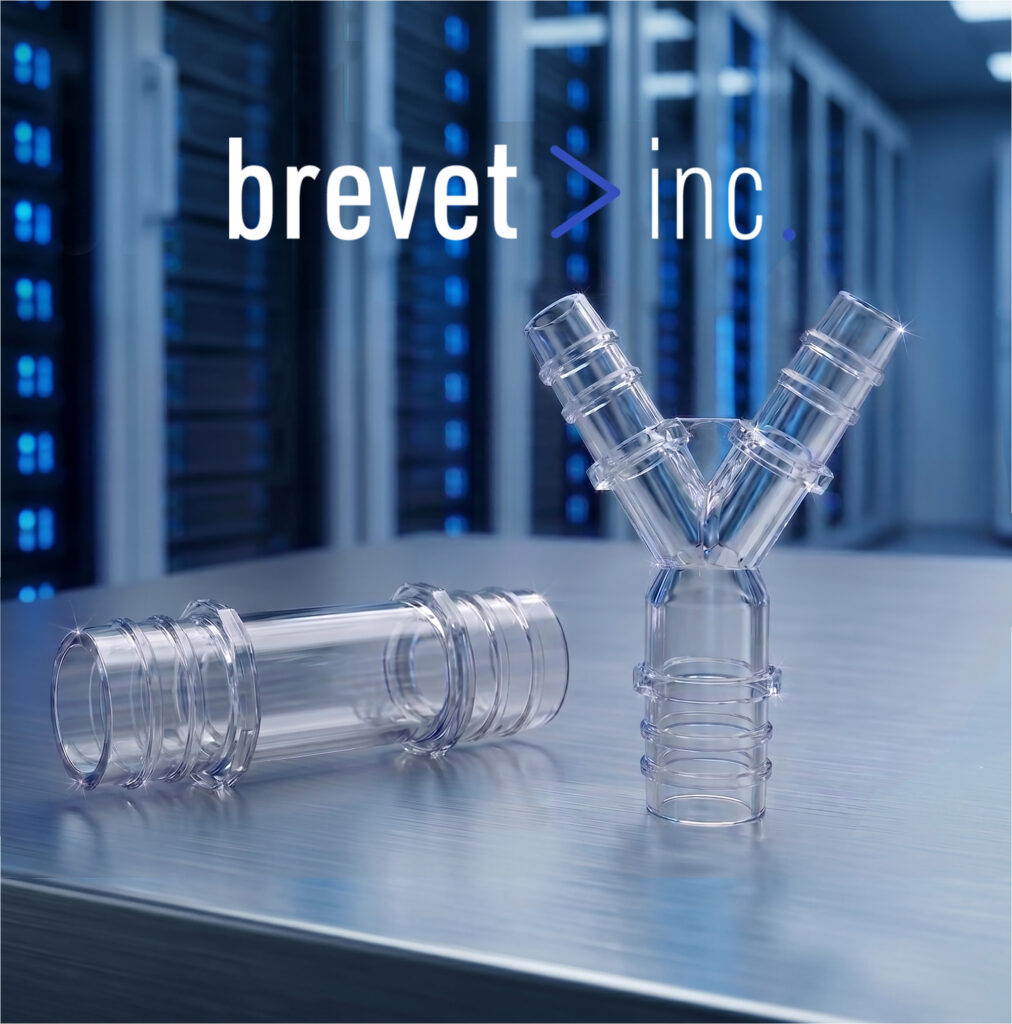
The first challenge is chemical compatibility. Cooling fluids range from familiar water-glycol blends to newer single-phase and two-phase dielectric formulations, and each interacts differently with the materials it contacts. Standard industrial plastics that hold up fine in conventional applications can hydrolyze, leach contaminants, or develop stress cracks when exposed to specialized fluids under sustained heat loads over thousands of operating hours.
Direct Injection Molding for Cardiac Solutions: Optimizing Perfusion Adapter Integrity Under High Flow Rates
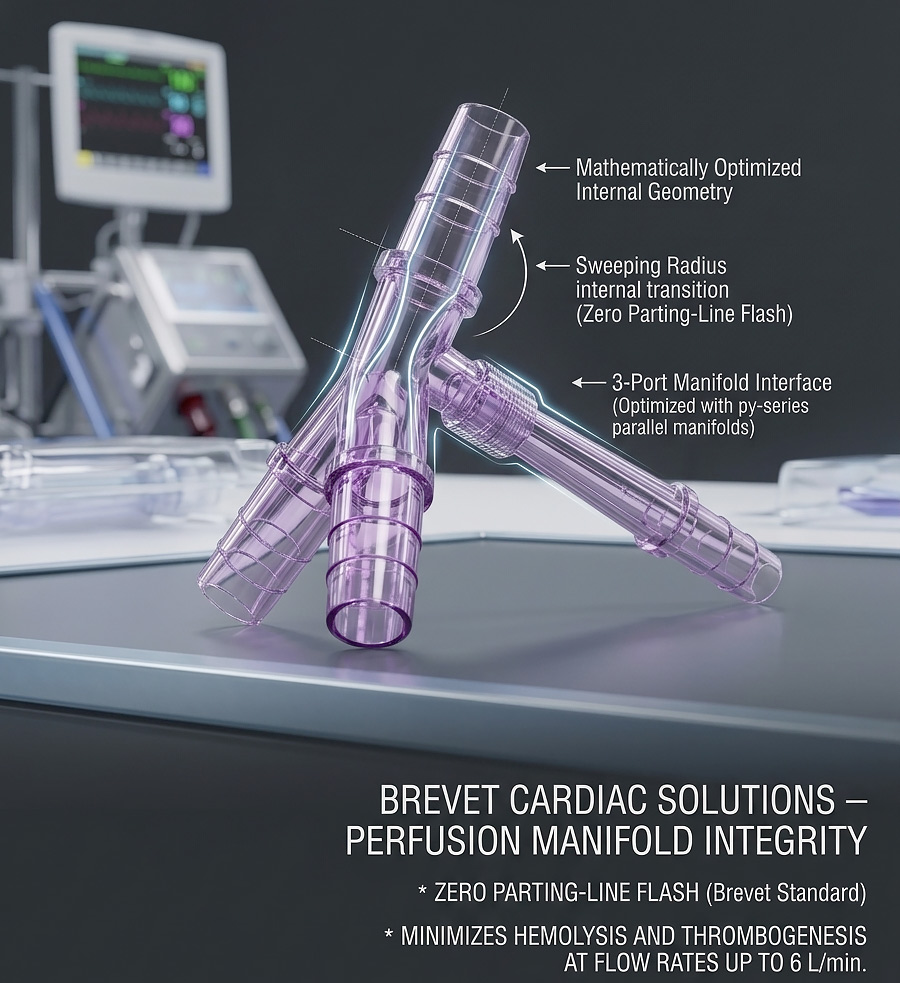
Discover how precision injection molding eliminates internal tool flash in cardiac perfusion adapters to prevent hemolysis and thrombogenesis in high-flow circuits.
How Brevet Takes Your Prototype All the Way to Mass Production
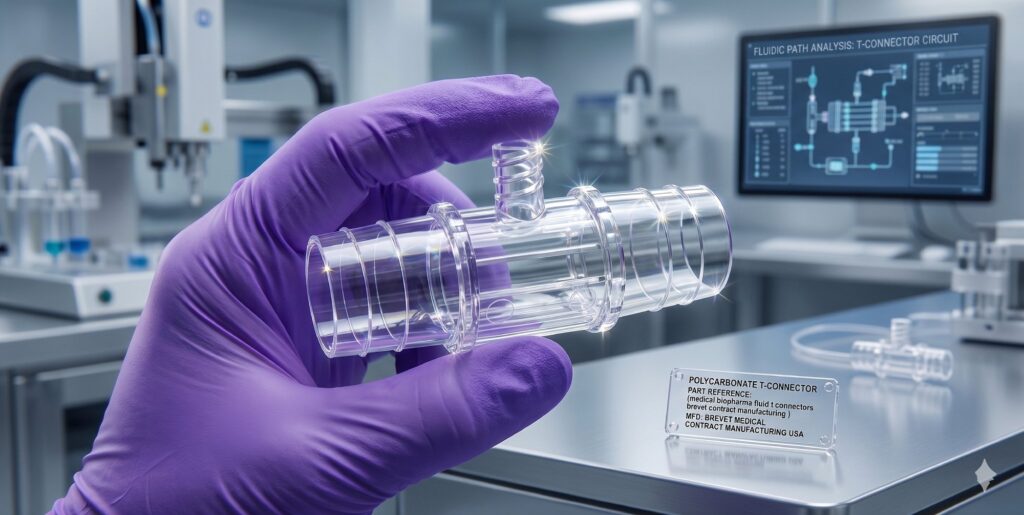
Discover how to seamlessly transition your product from initial R&D prototypes to high-volume automated mass production. Learn how Brevet’s unified engineering framework, universal adaptability, and integrated Design for Manufacturability (DFM) eliminate costly delays and accelerate your time-to-market across advanced industries.
Why Polycarbonate Is the Material Medical Fluidics Engineers Keep Coming Back To

Medical-grade polycarbonate offers a rare combination of impact strength, optical clarity, and sterilization compatibility. Here’s why it remains the material of choice for medical fluidic components.