Top Precision Fluid Component Connector Manufacturers for Medical, Biopharma, Dental and more!
Top Precision Fluid Component Connector Manufacturers for Medical, Biopharma, Dental and more!
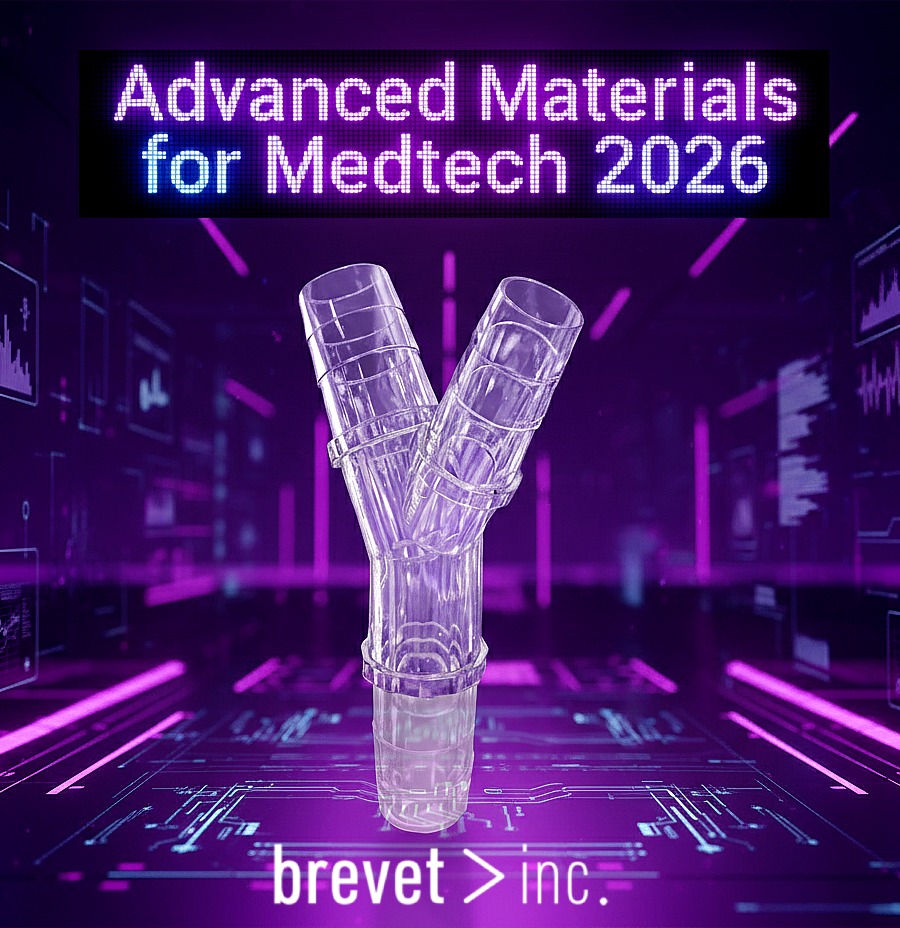
If you’ve spent any time in medical device manufacturing, you know that the “perfect” material is a bit of a myth. Usually, you’re forced to trade off: if it’s clear, it’s brittle; if it’s tough, it’s a nightmare to mold.
But lately, Makrolon® Rx2530 has become the go-to for engineers who are tired of making those compromises—especially when it comes to the high-stakes world of fluid connectors. Here’s why it’s gaining a lot of traction and how it actually stacks up in the real world.
One of the biggest headaches with polycarbonate is sterilization. You design a beautiful, crystal-clear connector, send it off for gamma radiation, and it comes back looking like a piece of vintage amber. It’s yellow, it looks “old,” and worse, it can get brittle.
Rx2530 is engineered with a built-in type of recovery system. It’s often manufactured with a very slight purple tint. This isn’t just for looks; that tint actually neutralizes the yellowing caused by radiation. A few days after sterilization, the material settles into a neutral, glass-like clarity. It stays looking professional and it stays strong.
Connectors like Y-connectors and luer locks are getting smaller and more complex. If your plastic is too thick when melted, it won’t fill the tiny corners of a mold. If it’s too thin, the final part can be weak.
Rx2530 hits a “Goldilocks” medium-viscosity range. It’s fluid enough to fill intricate and thin-walled designs without creating internal stress points. This is a game-changer for high-volume production because it means fewer cracked parts and a much lower scrap rate.
Hospital floors are hard, and clinicians are often in a hurry. Connectors get dropped, stepped on, or—most commonly—over-tightened.
Standard polycarbonates can “craze” (develop those tiny white spiderweb cracks) when they are stressed or exposed to certain lipids and chemicals. Rx2530 has a higher level of structural integrity and it’s built more to take the torque of tightening a connection without snapping. And this helps to ensure the fluid path stays sealed when it matters the most.
When you hold a connector made of Rx2530 next to a standard polycarbonate version, the difference is usually in the details:
A connector is a small part of a much larger system, but it can often be the single point of failure. By switching to a specialized grade like Rx2530, expands on the ability to create more complex designs with a lot more confidence in how they’ll perform.
At Brevet, we don’t just supply parts, we partner with you to solve the complex puzzles of fluid-path designs. Whether you’re developing a next-gen infusion pump, portable diagnostic tools, or a complex bioprocessing system, we have the expertise to bring your vision and solution to life.
With nearly 50 years of experience in precision injection molding and a deep catalog of medical-grade polycarbonate and PVC connectors, we specialize in:
Ready to design the future? Contact Brevet today to discuss your specific fluid-path needs and see how our custom components can streamline your development process.
